Fire wardens rest at the joint factor of safety and operations. When there is smoke in the stairwell or a cutting lantern starts a small blaze on Level 4, individuals search for the intense hat and stable voice. The performance of that action seldom comes from heroics. It comes from quiet prep work, great systems, and practice that turns procedures into muscle memory. Having actually constructed and led emergency situation control organisations throughout workplaces, storage facilities, and multi-tenant websites, I've seen exactly how well-drafted strategies and self-displined warden teams safeguard lives and keep businesses resilient.
This overview lays out what qualified fire wardens and chief wardens do previously, throughout, and after an emergency. It likewise clarifies just how country wide recognised training like PUAFER005 and PUAFER006 supports those roles. Whether you manage a single floor or a sprawling school, the duties are similar, the scale is what changes.
The function of the emergency control organisation
In most offices, the emergency situation control organisation (ECO) is an organized team of wardens trained to react to fire, smoke, clinical incidents, alarm systems, and any kind of occasion that threatens life or business continuity. At its head rests the chief warden, supported by deputy and location wardens. Their authority is functional, not managerial. On a normal day, they could check egress courses and upgrade a wheelchair assistance list. On a bad day, they take charge of emptying, coordinate with very first responders, and account for everyone that was at job that morning.
The competencies behind this work are formalised in training units. PUAFER005 Operate as part of an emergency control organisation develops wardens who can follow procedures, handle residents, utilize communications systems, and recognize their building's risks. PUAFER006 Lead an emergency control organisation develops primary wardens and replacements to fire warden course details plan, straight, and evaluate an entire event. The distinction is the extent of command. One runs properly within an established plan, the various other builds and leads that plan under pressure.
Before an emergency: foundations that hold up under stress
When people consider fire wardens, they envision a person directing a crowd down the staircases. The real work starts months earlier. Prep work closes spaces that would certainly otherwise open during an incident.
Risk mapping drives whatever. A qualified warden group walks the site, not simply with a representation but with a building contractor's eye. Where are the ignition resources in the workshop, and are hot work permits really used? Which occupancy stores solvents, and how is ventilation managed? Where does smoke migrate if a door is propped open? On one industrial website, a single pallet maintained landing in front of a fire hydrant on send off days. It took consistent walk-throughs and a photo log to deal with the routine. That is warden determination at its best.
Training converts those monitorings right into readiness. Fire warden training need to be rejuvenated at least each year, and more often in risky procedures or where turnover is high. A strong fire warden course mixes PUAFER005 aspects like communications protocols and evacuation methods with site-specific content, consisting of exactly how to operate your building's emergency warning and intercom system, your stair pressurisation routines, and your assembly area design. When a warden is reluctant at a panel since the user interface is different from the training slides, you feel it. Utilize your actual devices in drills.
Chief wardens require the broader command skillset taught in PUAFER006. That consists of circumstance planning, handing over wardens across zones, collaborating with security and facilities, and choosing under unpredictability. A chief warden course ought to likewise instruct the uneasy components of management, like when to buy a partial evacuation versus a complete one, and exactly how to shield a search group without leaving various other owners exposed.
Because a crisis amplifies small errors, housekeeping and upkeep matter more than a lot of value. Exit doors that stick, worn-out photoluminescent path markers, or a missing fire extinguisher pin can slow an evacuation by mins. That is not a theoretical cost. In a smoke-charged corridor, those mins make a decision whether your warden is directing sharp people or handling panic.
The silent admin job produces the pace for reaction. Updated passenger lists, site visitor sign-in systems, and service provider controls enable wardens to fix up head counts quickly. In a multi-tenant building, coordination contracts spell out who runs which drills and what takes place when the alarm system turns on in just one area. The chief emergency warden still requires the authority to call a complete evacuation when problems change.
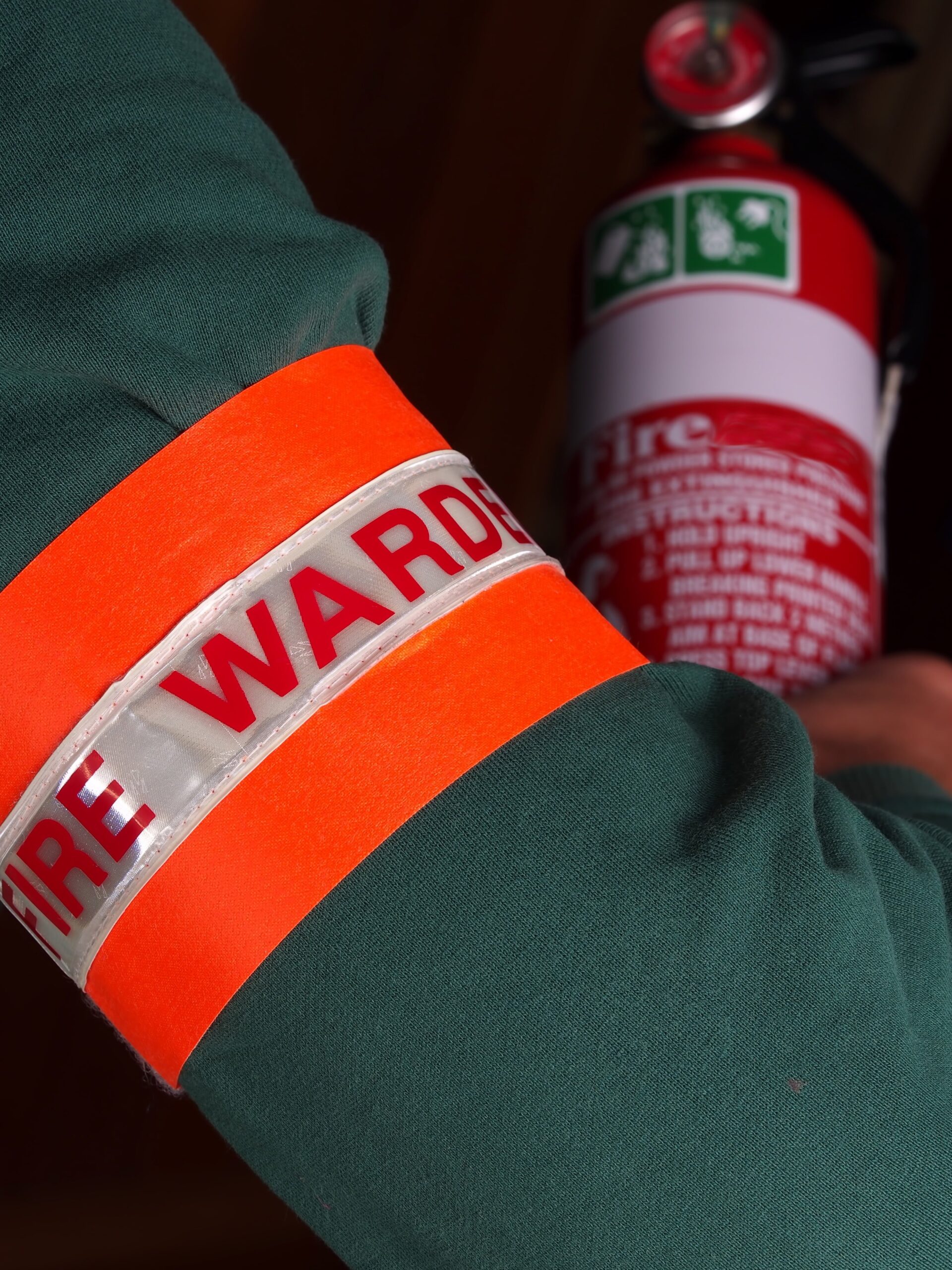
A fast note on hats and identification, since it aids in the disorder. Many workplaces utilize coloured helmets or caps. A typical convention designates white for the chief warden, yellow for location wardens, red for fire response functions, and environment-friendly for first aid, although variations exist. Rather than concentrating on what colour helmet a chief warden wears in theory, develop, present, and train to your site-specific system. Individuals adhere to colours when they fear, much more than names. Whatever you choose, make it consistent across sites that share staff.
The initially 5 minutes: what great looks like during a fire
Most emergencies that interrupt offices begin small. An overheated battery pack, a printer smoking, an electric space alarm system with no visible fire. The very first five mins choose whether it remains small. Wardens that have trained together and trust their strategy relocate a cadence that maintains people tranquil while stress rises.
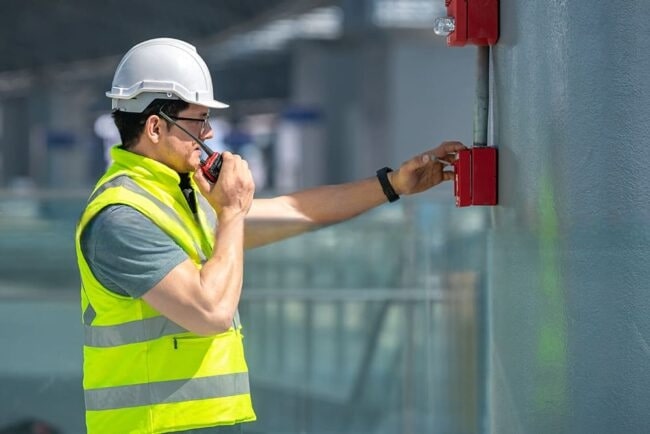
Alarm and assessment should be near-instant. The closest warden checks out if it is secure to do so, while the chief warden or deputy heads to the control factor. Two-way communication is non-negotiable. If you count on a single mobile phone, you are courting failing. Make use of the structure EWIS, radios with extra batteries, or both, and maintain wording disciplined. Short acknowledgments, not story time.
Evacuation decisions balance rate with accuracy. Over-evacuating the entire facility for a toaster establishes a bad pattern, yet under-evacuating when there is concealed fire is even worse. This is where PUAFER006 training pays off. Chief warden responsibilities include analyzing panel information, smoke discovery areas, and warden reports to determine whether to leave a zone, a flooring, or the whole building. A great chief fire warden selects activity early, connects it clearly, and intensifies decisively if evidence changes.
The auto mechanics of discharge are not attractive, yet they conserve lives. Area wardens sweep in sets where feasible, start farthest from departures and work toward escape courses, and close doors behind them to slow down smoke spread. fire warden course They do not remain discussing causes. If smoke or warmth surges, they pull away and inform the chief warden. Persons with wheelchair needs are either come with to a refuge location for fire service rescue or relocated through safe lifts where guidelines and systems permit. Pre-identified buddies make this smoother than improvisation.
I have actually seen wardens lose precious minutes when an occupant insists on grabbing a laptop computer or completing a print work. The technique is not to argue. Maintain your voice reduced, repeat the guideline once, and relocate the group toward the stairwell. Most people comply with a moving group. In high-rise stairways, wardens rate the circulation to stay clear of pile-ups at transfer floors. Utilizing every stairwell offered keeps air more clear and descent faster.
Fire extinguishers work yet not the mission. The first task of a fire warden is life safety, not indoor firefighting. If a trained warden can securely make use of an extinguisher on a small incipient fire with a retreat course behind them, excellent. If there is uncertainty, close the door and evacuate. I have viewed as several re-ignitions as I have seen effective one-shot knockdowns. Err on the side of obtaining individuals out and turning over to the fire service.
Outside, responsibility begins before the last individual emerges. Assembly points have to be much sufficient from the structure to stay clear of glass and smoke, yet close adequate to keep people from distributing. In technique, 50 to 100 metres benefits several sites, readjusted for wind and website traffic. The chief warden delegates headcounts to area wardens that contact numbers, not names, then integrate against the sign-in system or access control logs. When numbers do not match, the chief warden notifies initial responders and appoints a jogger to examine obvious areas like washrooms or outdoor smoke areas, yet does not send out wardens back into a harmful structure.
Clear lines in between warden roles
Clarity of roles stops overlap and spaces. A qualified emergency warden handles their area. An experienced chief warden works with the whole operation and maintains a hold on the bigger picture.
Fire warden obligations commonly include keeping an eye on regional risks, performing moves, directing passengers, checking neighborhood equipment, helping individuals with a disability or short-lived injury, and reporting standing to the chief warden. The training focus right here, aligned with PUAFER005, gets on self-displined implementation as opposed to critical decision-making. Wardens run radios easily, understand their retreat courses by heart, and can calm a worried associate without escalating the situation.
Chief warden obligations include activating emergency situation treatments, identifying the extent of discharge, liaising with emergency services, regulating the EWIS messages, coordinating wardens across areas, and deciding when to come back or move setting up if an additional risk arises. Chief warden training, with a PUAFER006 course, need to pierce intricate situations: smoke movement between floorings, an impaired alarm tone in one wing, or an emptying during extreme climate where the assembly area becomes unsafe.
On large or multi-building universities, replacement and sector wardens increase this framework. One person wearing the chief warden hat can not successfully handle a five-building evacuation without entrusting industry command. Establish this up ahead of time, assign radio channels to every market, and rehearse it. Incident command breaks not just from absence of skill, yet from trying to do everything alone.
Communication that functions when adrenaline spikes
Language breaks down under stress and anxiety. People utilize even more words to say less. Wardens require the reverse: short phrases, acquainted scripts, and consistent tone.
Pre-scripted EWIS messages stay clear of confusion. If your system allows real-time statements, write templates and practice them. For example, for an area emptying, a tranquility, paced message that mentions the affected location, the direction to evacuate via stairways, and the assembly location is better than a long description. For website radios, impose brevity. First names and duties, area, standing, action needed. The chief warden acknowledges, instructs, and logs.
One common failure is completing authority. If a flooring manager counters a warden's instruction, owners ice up. Elderly monitoring needs to endorse the ECO openly, and throughout an incident, route all staff to comply with warden directions. This is not concerning vanity. It has to do with an unambiguous pecking order that maintains individuals safe.
Training that sticks: PUAFER005 and PUAFER006 in practice
There is a difference in between participating in a warden course and absorbing it. Solid providers construct practice right into every module. PUAFER005 operate as part of an emergency control organisation should not be a slide deck with phrases. It ought to consist of tools handling, radio technique drills, and a walk-through where wardens exercise moves, door checks, and assisting someone with limited mobility.
PUAFER006 lead an emergency control organisation is where chief wardens find out to make judgment telephone calls. Great training places you in imperfect situations. A panel reveals two alarm systems on various levels, the CCTV feed is down, and a service provider is reported missing out on. You determine whether to phase firefighters at a stairwell door, to increase evacuation, and exactly how to coordinate with cops for an external roadway closure. Chief fire warden training lives in the grey locations, because that is where actual incidents land.
As for fire warden training requirements in the work environment, regulators typically expect wardens to be trained upon appointment and rejuvenated at normal periods, commonly yearly. Big or high-risk websites may carry out drills every 6 months. File attendance, results, and restorative activities from drills. If your emergency warden training exposes that a door is consistently secured or a call point is concealed behind a display, repair it and tape the fix.
Gear, signs, and those coloured hats
The question of fire warden hat colour shows up more frequently than you may anticipate. There is no universal law that dictates it, however typical technique assigns white to the chief warden, yellow to area wardens, red to a firefighting function, and green to emergency treatment. Some industries turn red and yellow or add blue for interactions. What matters is that your scheme shows up and taught. If you change it after a rebrand, upgrade the signs and drill products. When somebody asks what colour helmet a chief warden uses in your structure, the answer must be basic and consistent.
Beyond hats, guarantee your vest markings, door indications, and assembly factor indicators are legible under inadequate light and from range. Examination radio coverage in stairwells and basements. Lug extra batteries in a tiny bag that is clipped to the chief warden's vest. None of this is pricey. All of it is crucial when things go loud.
After the alarm: recuperation and improvement
What occurs after the sirens fade establishes how well you take care of the following occasion. The post-incident phase is just as structured as the response.
Headcount is validated with finality. If access control logs show 212 entrances and only 210 go to the setting up point, you resolve that gap. Usually the description is basic, like a very early separation or a meeting offsite. Do not assume. Call, confirm, and document. The chief warden must tape the timeline: alarm system time, emptying decision, very first warden record, developing clear, fire service arrival, all-clear time. These realities fade within hours.
Re-entry choices belong to the chief warden in examination with first -responders and facilities. You might need an organized re-entry, prioritising crucial procedures once the fire solution releases the website, while omitting a damaged area. Quick wins matter. If the incident was small, return people to deal with a brief all-hands note explaining what happened and what will alter. If it was considerable, set expectations for downtime and support.
Debriefing is where renovation takes root. Conduct a warm debrief within 1 day while memories are fresh. Keep it blame-free and certain. Did the stairwell landings obstruct? Did any door closers stop working? Was the setting up factor as well near to an accessibility roadway? Record no more than five rehabilitative activities, designate proprietors, and established dates. Longer listings end up being wallpaper. If the event disclosed training voids, upgrade your emergency warden course web content and pierce schedule.
Document control maintains you audit-ready. Update the emergency plan, representations, and call listings. If you are in a compliance-heavy field, your insurer and regulator may request for the case record. Having a tidy document of your chief fire warden responsibilities, decisions, and results reinforces your position.
Special cases and side decisions
Not every emergency situation fits the textbook. A couple of situations regularly test judgment.
Partial discharges in complex structures call for discipline. If smoke is separated to a solitary occupancy yet ventilation is shared, you might need to expand the evacuation. When doubtful, expand the boundary. The business cost is real, yet the human cost of a mistake is higher.
Shelter-in-place occasionally beats discharge, particularly with exterior hazards or dangerous products outdoors. Educating for this circumstance is much less usual, yet it ought to be part of your chief warden course and worked out at least annually. Protected doors, closed down cooling and heating if suggested, make up individuals, and connect calmly.
Evacuating individuals with handicaps or injuries requires prework. Maintain a confidential list with authorization and make sure pals or wardens are designated. Practice utilizing emptying chairs if you have them. Do not create an option on the day a lift is offline.
Contradictory directions occur. A well-meaning manager may inform their team to stay while the wardens order a discharge. Clear up ahead of time that emergency warden instructions outrank general management throughout an occurrence, and have execs back that policy in writing.

False alarms teach also. Treat them as drills with a medical diagnosis. Was it dust, a toaster oven, a malfunctioning detector head? Readjust maintenance timetables or controls rather than letting complacency collection in.
Building a society that sustains wardens
Wardens can not carry security alone. They need a society that appreciates method, funds small solutions, and deals with drills as component of the workday, not interruptions. I have seen the mood change when senior leaders stand at the stairwell door throughout a drill, relocating with the group and listening to wardens. That existence signals priorities greater than any type of memo.
Invest decently, constantly. A half-day PUAFER005 course for brand-new wardens on-boarding each quarter, a PUAFER006 course for inbound replacements every year, and 2 building-wide drills each year set a standard. Include tabletop exercises for the chief warden group between drills. Those sessions set you back little and develop thinking. Turn scenarios: an obstructed stairwell, a gas leak, an evacuation during an electrical storm. The repeating develops fluency.
Finally, identify your wardens. They manage their day jobs and this extra task. A thank-you note after a well-run drill, a reference in the business update, and correct tools that fits and works are little gestures with outsized effect. Individuals remain involved when they really feel supported.
A concise pre-incident list for wardens
- Walk your zone monthly, photograph issues, and log repairs with dates. Verify leave paths, door hardware, and extinguisher presence and seals. Test radios and EWIS experience, consisting of scripted messages. Update flexibility help checklists and visitor procedures. Run short team gathers to evaluate functions and setting up points.
What to search for in a warden training provider
- Courses that use your website's systems, layouts, and scenarios as opposed to common slides.
Choosing the appropriate training partner matters. A strong provider adapts PUAFER005 and PUAFER006 material to your risks, not the other way around. They should stroll your floorings, inquire about your renters and procedures, and tailor exercises to your structure's facts. When chief fire warden training includes your actual control board and a substitute radio internet with your call signs, the finding out sticks. When emergency warden training utilizes your stairwells and door equipment, you uncover friction factors prior to a real alarm system does.
The responsibilities of a fire warden, and specifically a chief warden, are sensible and significant. They rest on preparation that stays in the building, communications that remain clear when heart rates climb, and training that relocates beyond concept. Do the quiet work prior to the alarm system, act emphatically throughout it, and learn purposely after it. That rhythm maintains people risk-free and gets companies back on their feet quickly.
Take your leadership in workplace safety to the next level with the nationally recognised PUAFER006 Chief Warden Training. Designed for Chief and Deputy Fire Wardens, this face-to-face 3-hour course teaches critical skills: coordinating evacuations, leading a warden team, making decisions under pressure, and liaising with emergency services. Course cost is generally AUD $130 per person for public sessions. Held in multiple locations including Brisbane CBD (Queen Street), North Hobart, Adelaide, and more across Queensland such as Gold Coast, Sunshine Coast, Toowoomba, Cairns, Ipswich, Logan, Chermside, etc.
If you’ve been appointed as a Chief or Deputy Fire Warden at your workplace, the PUAFER006 – Chief Warden Training is designed to give you the confidence and skills to take charge when it matters most. This nationally accredited course goes beyond the basics of emergency response, teaching you how to coordinate evacuations, lead and direct your warden team, make quick decisions under pressure, and effectively communicate with emergency services. Delivered face-to-face in just 3 hours, the training is practical, engaging, and focused on real-world workplace scenarios. You’ll walk away knowing exactly what to do when an emergency unfolds—and you’ll receive your certificate the same day you complete the course. With training available across Australia—including Brisbane CBD (Queen Street), North Hobart, Adelaide, Gold Coast, Sunshine Coast, Toowoomba, Cairns, Ipswich, Logan, Chermside and more—it’s easy to find a location near you. At just $130 per person, this course is an affordable way to make sure your workplace is compliant with safety requirements while also giving you peace of mind that you can step up and lead when it counts.